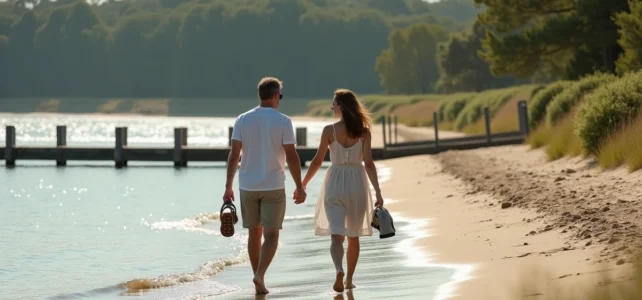
The Conleau peninsula is connected to Vannes by a causeway built in 1879. Before this date, Conleau was an island. This geographical feature still conditions access to the site today: there is only one entry and exit point, which creates a bottleneck whenever visitor numbers increase. Understanding this constraint helps anticipate parking and traffic difficulties, especially during the summer season.
Conleau-Barrarac’h ferry shuttles: an alternative to saturated parking
Classic tourist guides describe Conleau as a place accessible by car, bike, or bus (line 3 of the Kiceo network). They rarely mention the Petits-Passeurs, these short ferry shuttles that connect Conleau to Barrarac’h, in the municipality of Séné.
Further reading : Ideas and practical tips for a fulfilling family life every day
This crossing service allows visitors to reach the peninsula without using the causeway. For visitors staying in Séné or Saint-Armel, the Petits-Passeurs avoid the parking problem by eliminating the need to park on-site. The crossing also offers a view of the Gulf of Morbihan from the water.
A second line connects Le Passage (Saint-Armel) to Montsarrac. By combining these two shuttles, one can organize a car-free loop between several points in the gulf. This option remains poorly documented in the usual resources about the Conleau beach in Vannes and its parking, even though it provides a concrete response to road saturation.
Read also : Practical tips for easily finding your home's plumbing plan
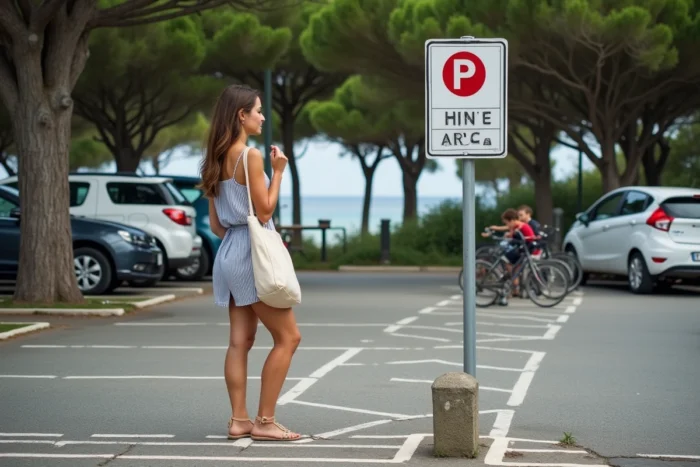
Parking in Conleau in summer: two paid areas and unknown overflow spots
The peninsula has two small paid parking lots located very close to the beach and swimming area. During peak season, these parking lots are full by late morning. Visitor feedback converges on this point: coming by car in the afternoon on a nice day is a gamble.
Overflow parking for vans and campers
A lesser-known usage concerns small parking lots not listed as official parking, located a short distance from the beach. Some van or camper travelers particularly use a small parking area located behind a restaurant, with a view of the gulf and the harbor. This type of spot serves as overflow parking at the end of the day.
These spots do not appear on tourist maps. Their capacity is very limited, and there is no guarantee of their accessibility from one season to the next, as parking regulations may change by municipal order. Checking the signage on-site before settling in remains the only reliable precaution.
Time slots and access strategy
Arriving before mid-morning is the safest method to find a spot. Biking is a realistic alternative from downtown Vannes, as the distance is short. The bus (line 3 Kiceo) also serves the peninsula, but the frequency during summer deserves verification.
- Main paid parking: close to the beach, full by late morning in July-August.
- Second paid parking: same area, same limited capacity constraint.
- Unofficial overflow spots: behind restaurants, very limited capacity, variable regulations.
- Car-free alternatives: bus line 3, biking from Vannes, Petits-Passeurs shuttles from Séné.
Conleau beach and natural swimming pool: what the tide changes
Conleau beach is not a large stretch of sand. It is a compact site, backed by a tidal swimming pool. This natural pool renews its seawater with the rhythm of the tides, which means that the water level and temperature vary throughout the day.
At low tide, the pool can be partially drained. At high tide, swimming is more comfortable. Checking the tide times before heading out avoids disappointment, especially when coming with children.
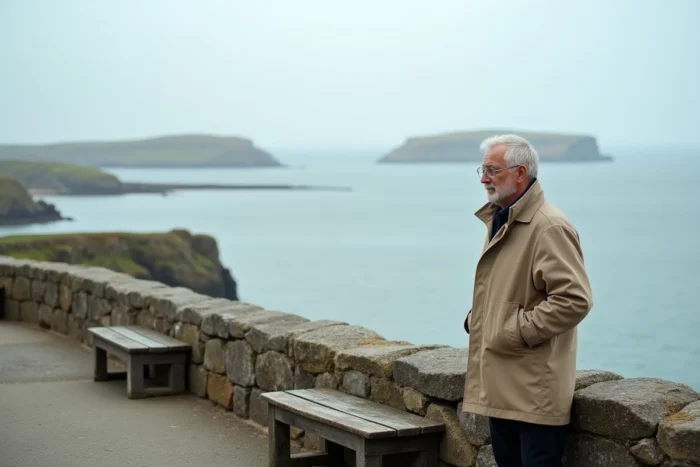
On the other side of the peninsula, moored boats create a typical landscape of the Gulf of Morbihan. Some houses have retained their small chalet style. There is also a hotel-restaurant and two bars-restaurants, allowing for a full day on-site without returning to the city.
Beach monitoring in Morbihan: check before swimming
The Morbihan prefecture publishes information each summer regarding beach monitoring in the department. The monitored sites, schedules, and conditions for authorized swimming vary from year to year.
For Conleau, the presence of lifeguards is not permanent throughout the year. Outside of monitoring periods, swimming remains possible but is at the swimmer’s own risk. Families with young children should check the monitoring schedule before their visit, especially at the beginning and end of the season.
The available data do not allow for confirmation of the exact monitoring dates for each summer. Only the prefecture and the town hall of Vannes publish this information officially, usually a few weeks before the start of the bathing season.
Walking access from Vannes: the stroll by the port
Reaching Conleau on foot from the port of Vannes takes about an hour. The route runs along the edge of the gulf and crosses the pine forest that marks the entrance to the peninsula. This walk is an activity in itself, not just a means of transport.
The pine forest offers pleasant shaded cover in summer. Once past the coast, the scenery changes: the Gulf of Morbihan opens up before the peninsula, with the islands in the background. This contrast between the city and the natural site explains the attachment of the people of Vannes to this place.
Conleau works better as a half-day destination than as a simple beach stop. The parking constraint, dependence on tides for swimming, and the narrowness of the causeway encourage planning one’s visit rather than improvising. Those who anticipate these parameters enjoy a preserved site just minutes from the center of Vannes.