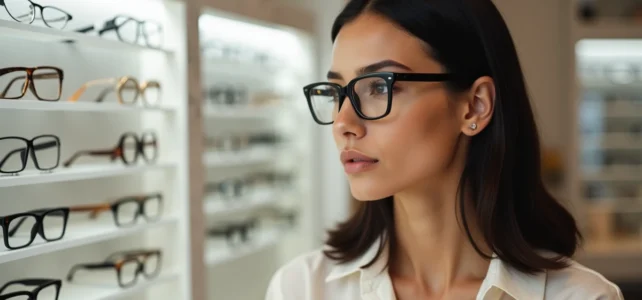
Rectangular glasses are among the most worn shapes, but their appearance varies greatly depending on the face shape, the material of the frame, and the proportions of the frame. Comparing these criteria before a purchase helps avoid mistakes in facial aesthetics and returns to the store.
Proportions of the rectangular frame: width, height, and thickness compared
Not all rectangular frames are created equal. The difference lies in three measurements that determine the visual balance on the face.
See also : Essential Trends and Tips to Embrace Fashion This Season
| Type of rectangle | Frame width | Lens height | Frame thickness | Visual effect |
|---|---|---|---|---|
| Classic rectangle | Medium to wide | Medium | Standard | Structures the face, suitable for round and oval shapes |
| Micro rectangular frame | Narrow | Very low | Thin | Lengthens the gaze, accentuates the cheekbones |
| Thick oversized rectangle | Wide | Medium to high | Thick | Affirms a strong style, can overwhelm a small face |
Since 2024, very narrow micro rectangular frames have been gaining ground. These long, thin, and elongated shapes, often in amber or translucent colors, disrupt the codes of the more massive classic rectangle. They are suitable for those seeking a discreet retro effect without overwhelming the upper part of the face.
A frame that is too wide compared to the distance between the temples overflows on the sides and disrupts the profile. Conversely, a rectangle that is too narrow gives the impression of a compressed face. The basic rule remains that the total width of the frame must correspond to that of the face, including the temples.
Related reading : How to Contact Blablacar Bus Customer Service: Phone, Tips, and Practical Advice
To refine this choice, La Petite Emma’s recommendations detail the associations between rectangular shapes and facial morphologies.

Rectangular frame and face morphology: associations that work
The aesthetics applied to glasses is based on a principle of contrast: the shape of the frame should compensate for the dominant lines of the face, not reinforce them.
Round or oval face
The rectangle structures the features by adding straight lines where curves dominate. On a round face, a medium-width rectangular frame refines the cheeks and visually elongates the facial silhouette. On an oval face, most rectangles work, provided that the lens height is not too reduced (which creates an imbalance with the chin).
Square or angular face
This is the most delicate combination. A rectangle with very sharp angles accentuates the jawline and stiffens the overall look. For these shapes, favoring a rectangle with slightly rounded corners softens the geometric effect while maintaining the structure of the shape. The thickness of the frame also plays a role: a thin frame softens more than a thick frame.
Long face
A very narrow rectangle (like a micro-frame) risks accentuating the verticality of the face. In contrast, a taller rectangle with a low bridge rebalances proportions by adding width at the eye level.
Materials of rectangular frames: acetate, metal, and sustainable options
The material affects both the comfort, weight, and aesthetic appearance of a rectangular frame.
- Acetate remains the most common material for thick rectangles. It allows for various colors (tortoiseshell, translucent, matte black) and offers good shock resistance. Its weight is moderate.
- Metal (titanium, stainless steel) is suitable for thin rectangles and micro-frames. It lightens the frame and gives a more discreet appearance, suitable for prolonged daily use.
- Bio-sourced or recycled materials appear in brands that communicate about manufacturing in France and reducing environmental impact. Brands like EIO have been offering rectangular frames designed to last since 2024-2025, with a focus on repairability and extended lifecycle.
The choice of material also depends on optical correction. Thick lenses (strong myopia or hyperopia) add weight to the frame. A titanium frame compensates for this weight, while thick acetate amplifies it.
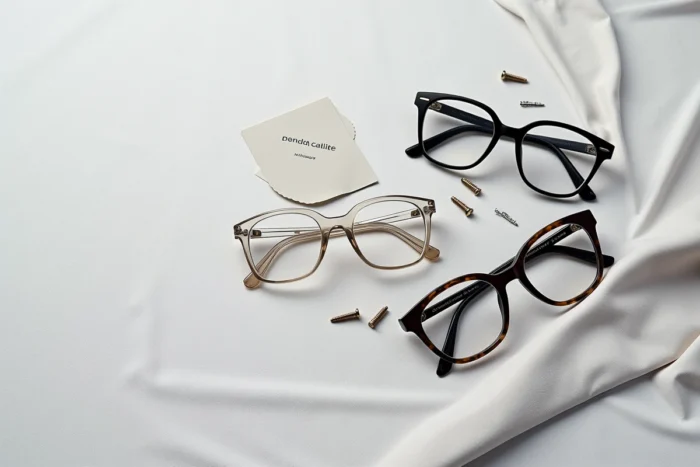
Refurbished rectangular glasses and reimbursement: two often overlooked criteria
The refurbished glasses sector is gradually structuring itself in France. Industry professionals, such as Amandine Ibled, raised regulatory questions as early as 2024 regarding the integration of refurbished frames (including classic rectangular shapes) into the standard offerings of opticians, while respecting health requirements and reimbursement rules.
This avenue is worth exploring for those looking to acquire a quality frame at a lower cost. Rectangular shapes, among the most produced, are also the most represented in this emerging market.
Reimbursement conditions also influence the timing of renewal. A change of frame before the end of the regulatory period may not be covered by insurance, except in cases of prescription modification or accidental breakage. Checking the coverage conditions before choosing a new pair helps avoid financial surprises.
Color and style of lenses: adapting the rectangle to its use
The color of the rectangular frame should take into account the skin tone and hair color. Warm shades (tortoiseshell, honey, gold) match tanned or golden skin. Cool shades (black, gray, silver) are suitable for light skin or dark hair.
For rectangular sunglasses, the type of lens is as important as the frame. Polarized lenses reduce glare and improve contrast, making them a relevant choice for driving or outdoor activities. Lenses with blue light filters are more suited for prolonged use in front of screens.
The rectangle remains a versatile shape that adapts to most uses, from the office to outdoor settings. The key to the choice lies less in the shape itself than in adjusting the proportions, material, and color to the face that will wear them. Trying on at an optician’s, with various widths and heights of frames, remains the most reliable way to validate these parameters.