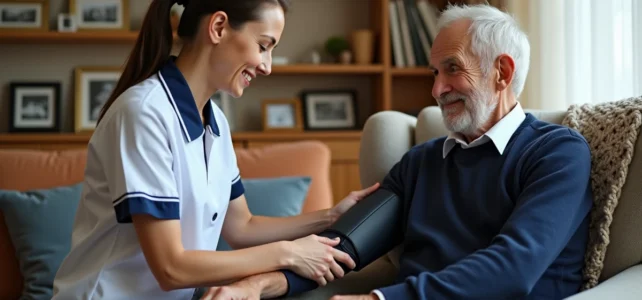
A nursing practice brings together several state-certified nurses who coordinate their interventions from a common structure. Unlike a professional working alone, this organizational mode ensures continuity of home care even in the absence or leave of a practitioner. The medical prescription remains the starting point for care, but it is the collective functioning of the practice that determines the quality of daily follow-up.
Coordination among nurses: what changes for the patient at home
When a self-employed nurse works alone, any unavailability (illness, training, vacation) requires finding a substitute who may be unknown to the patient. In a nursing practice, care files are shared among the professionals in the team. A colleague who takes over is already familiar with the protocol, the history of dressings, or the ongoing insulin therapy scheme.
Further reading : Discover Yvan Cassar's children and wife: at the heart of a musical family
This pooling has a direct effect on safety. Communications between nurses from the same practice reduce the risk of error during a change of caregiver. The patient does not have to re-explain their situation, and the treatment adjustments prescribed by the doctor are implemented without delay.
To better understand how this organization translates concretely, the services offered by Construire la Bretagne detail the various interventions that a structured practice can provide at home.
Read also : What is the average price of a hotel night in France in 2024?
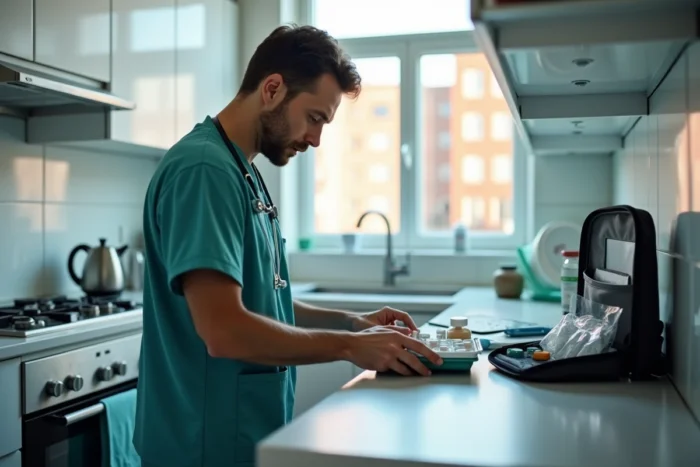
Autonomous nursing consultation: a regulatory framework expanded since 2026
Two decrees published on June 26, 2026, officially recognized nursing consultation as an autonomous mode of practice. This text allows the nurse to conduct a complete clinical reasoning: observation, clinical examination, nursing diagnosis, development of a care plan, prevention, and therapeutic education.
In practice, this means that a nursing practice can now offer a complete evaluation at home without the patient necessarily needing a prior medical consultation. For elderly individuals or patients with chronic conditions, this evolution streamlines access to care.
Nursing prescription and follow-up of chronic conditions
The same regulatory framework has expanded the list of health products and complementary examinations that nurses can prescribe or renew. A nursing practice operating at home can now prescribe certain biological assessments to monitor diabetes or heart failure, without waiting for a medical appointment.
The National Order of Nurses emphasizes that these developments enhance the follow-up of chronic conditions and promote home care. For the patient, the benefit is tangible: fewer trips between the doctor and the nurse, more responsive follow-up, and care better adapted to the home lifestyle.
Financial coverage of home nursing care
Acts performed by a contracted self-employed nurse are reimbursed by Health Insurance based on a medical prescription. The standard distribution provides coverage for the majority of the conventional rate, with the remainder being covered by the patient’s mutual insurance or remaining their responsibility.
Several situations entitle patients to full coverage by Health Insurance:
- Patients with long-term illnesses (ALD) benefit from total reimbursement for care related to their condition.
- Care prescribed as part of home hospitalization (HAD) follows a specific funding regime, distinct from self-employed practice.
- Home nursing services (SSIAD), now integrated into home autonomy services, operate with direct funding from Health Insurance, without upfront costs for the patient.
A contracted nursing practice facilitates these administrative procedures. The team manages the teletransmission of care sheets and can direct the patient to the most appropriate system (self-employed nurse, SSIAD, nursing health center) according to their situation.
Technical care that can be performed at home by a nursing practice
The range of acts that a nursing practice can provide at home far exceeds simple blood draws or basic dressings. The regulatory framework allows for technical interventions that prevent trips to healthcare facilities.
- Infusions, subcutaneous and intramuscular injections, including insulin therapy with dose adjustments according to the medical protocol.
- Complex wound care: postoperative dressings, venous ulcers, pressure sores, with regular clinical assessment of healing.
- Palliative care at home: pain management, monitoring of medical devices (morphine pumps, enteral nutrition), support for the patient and their family.
- Blood samples and biological monitoring within the framework of the new nursing prescription competencies.
The ability of a practice to distribute these acts among several trained professionals allows for broader time coverage, including weekends. A patient on daily infusion or requiring two visits per day is not dependent on the availability of a single practitioner.
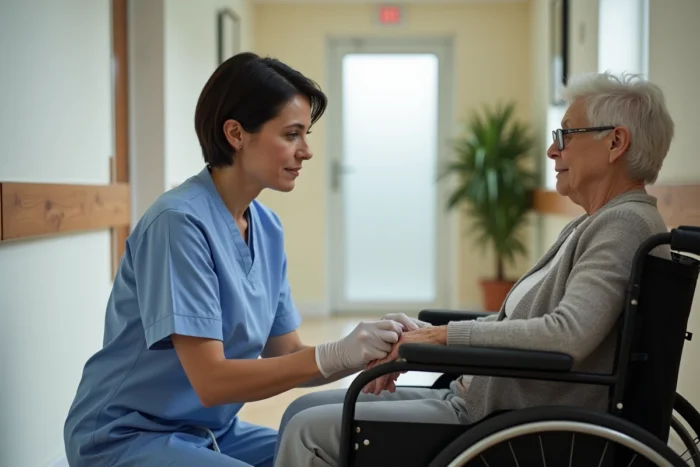
Prevention of readmissions
Post-operative follow-up at home by a structured nursing practice reduces the risk of undetected complications. Regular monitoring of vital signs, observation of signs of infection or decompensation, and prompt communication of alerts to the attending physician constitute a safety net that the patient alone cannot ensure.
With the autonomous nursing consultation, the nurse detects warning signs earlier and can initiate certain corrective actions without waiting for a medical visit. This gain in responsiveness particularly benefits fragile patients, for whom a few hours of delay in care can lead to hospitalization.
The choice of a nursing practice for home care is based on a simple criterion: the team’s ability to maintain consistent follow-up over time, regardless of which professional is involved that day. Recent regulatory developments reinforce this logic by providing nurses with the clinical and prescriptive tools to act more quickly, directly at the patient’s home.